
Destination

Difficulty
Moderate
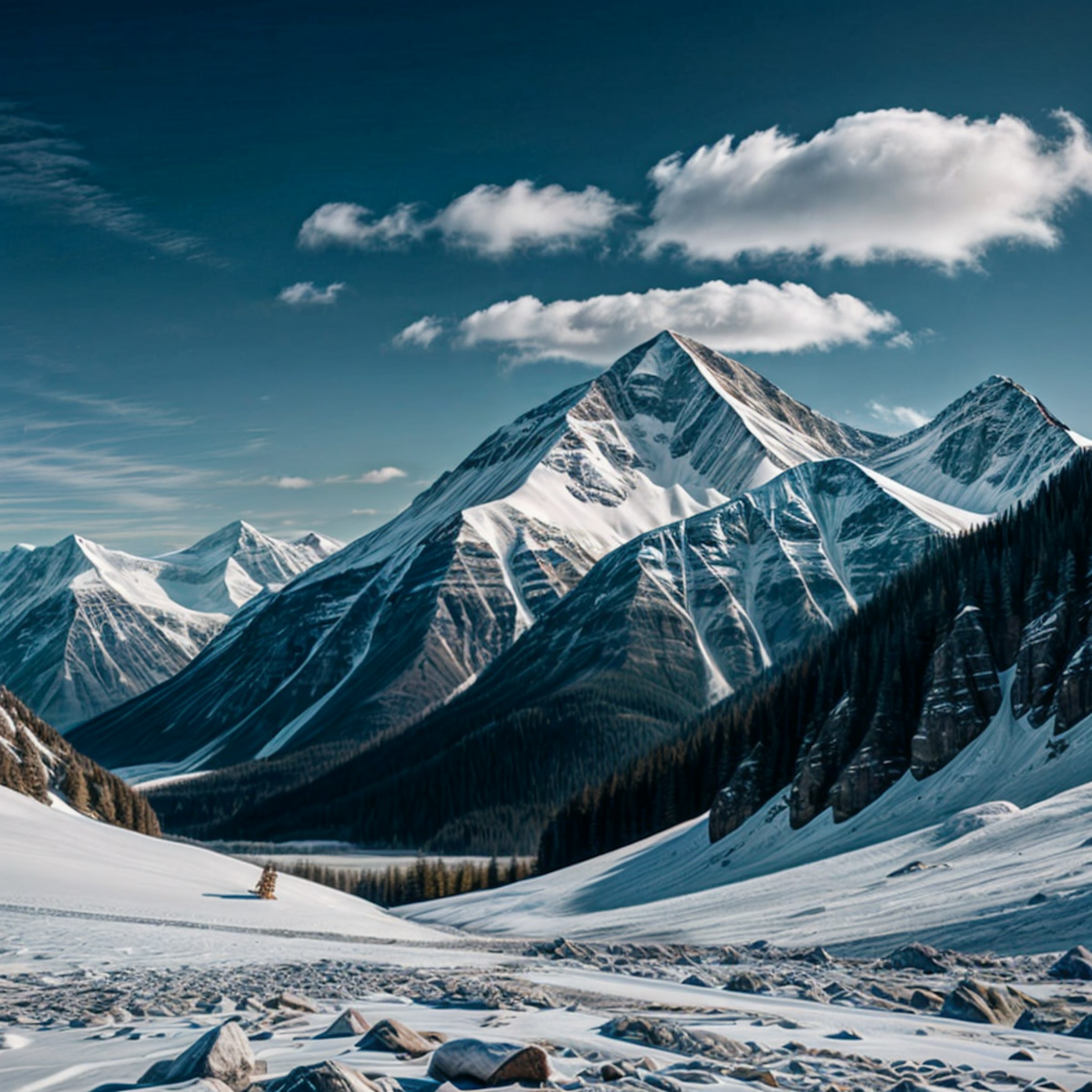
Embark on an unforgettable adventure with our Kanchenjunga Expedition! Towering at a staggering 8,586 meters (28,169 ft), Kanchenjunga holds the title of world's third highest peak and Nepal's second highest. Kanchenjunga, meaning ‘five treasures of the high snow’ is located between Nepal and Sikkim, India, this majestic mountain beckons experienced climbers seeking a challenge. The peak’s massif consists of four summits, three of which are over 8,000 metres high. Kanchenjunga I is the highest, at 8,586 metres. Kanchenjunga West takes the second place at 8,505 metres. Next is Kanchenjunga South – 8494 metres. Finally, the lowest one is Kangbachen 7,903 metres. The summits’ location resembles a cross, with each summit signifying one arm. There are four main ridges connecting the summits to adjacent peaks. Kanchenjunga’s ridges are rich in glaciers.
The climb itself is demanding, requiring experience and a strong spirit. But the rewards are unparalleled. Imagine the world stretching out beneath you as you conquer the world's third highest peak. Witness the dazzling beauty of glaciers and landscapes, a sight reserved for the most determined climbers.
Are you ready to answer the call? Join our Kanchenjunga Expedition and experience the challenge and majesty of this legendary mountain.
Kanchenjunga isn't your average climb. This formidable peak, the world's third highest, demands a unique blend of skills and experience to conquer its unforgiving terrain.
Kanchenjunga's ascent is no walk in the park. Advanced technical climbing skills are a must to navigate the demanding terrain. Some even consider it a tougher climb than Everest.
Harsh weather conditions and challenging routes require a strong foundation in mountaineering. Previous experience in high-altitude climbs is essential for success.
The expedition pushes your physical limits. Expect long days with treks and climbs exceeding 10 hours, demanding excellent physical conditioning.
Kanchenjunga is a test of both physical and mental fortitude. Are you ready to rise to the challenge?
Day 1: Arrival in Kathmandu
Day 2: Sightseeing and trek preparation
Day 3: Flight to Bhadrapur and then drive to Kanyam
Day 4: Drive to Taplejung and continue to Chiruwa
Day 5: Trek from Chirwa to Sekathum
Day 6: Trek to Amjilosa
Day 7: Trek from Amjilosa to Gyabla
Day 8: Trek from Gyabla to Ghunsa
Day 9: Acclimatization day
Day 10: Trek to Khangbachen
Day 11: Rest and exploration day
Day 12: Trek to Lhonak
Day 13: Trek from Lhonak to Kanchenjunga Base Camp
Day 14: Rest Day
Day 15 - 35: Climbing period of Kanchenjunga
Day 36: Cleaning Base Camp
Day 37: Trek back to Lhonak
Day 38: Trek from Lhonak to Kambachen
Day 39: Khambachen to Ghunsa
Day 40: Trek from Ghunsa to Sele Le
Day 41: Trek from Sele Le to Tseram
Day 42: Trek from Tseram to Ramche
Day 43: Trek from Ramche to Tseram
Day 44: Trek from Tseram to Yamphudin
Day 45: Trek from Yamphudin to Anpan
Day 46: Trek from Anpan to Taplejung
Day 47: Trek from Taplejung to Suketar
Day 48: Flight from Suketar to Biratnagar and again flight to Kathmandu
Day 49: Free day in Kathmandu
Day 50: Final departure
Spring (March to late May) paints the perfect backdrop for your expedition. Here's why:
Pleasant Conditions: Spring offers balmy weather, a welcome change from the harshness of winter. Enjoy comfortable temperatures that make the trek more enjoyable.
A Floral Spectacle: The Kanchenjunga trail transforms into a vibrant tapestry during spring. Blooming rhododendrons add a touch of magic to the scenery, making your journey unforgettable.
Clear Skies and Safe Passage: Spring boasts minimal chances of snowstorms or rain, ensuring clear skies and well-maintained trails. This translates to safer and more manageable trekking conditions.
A Challenge Within Reach: While Kanchenjunga demands preparation, spring's favorable weather makes it accessible to climbers with a good level of fitness. This could be your chance to turn a lifelong dream into a reality.
Your adventure starts with a scenic flight from Biratnagar to Suketar. From there, trek through charming villages and lush forests, soaking in the beauty of the Himalayas as you make your way to Kanchenjunga Base Camp.
Base Camp, typically around 6,000 meters, serves as a crucial acclimatization point. Spending a night or two here allows your body to adjust to the high altitude before the ascent.
As you progress, expect to establish Camps 3 and 4 at even higher elevations – around 7,300 meters and 7,800 meters respectively. Proper acclimatization and strategic planning are essential for success at these extreme altitudes.
The North Face Route:
While not the easiest, the North Face route is considered one of the safer options for climbing Kanchenjunga. Here's a glimpse of what to expect:
Your journey begins at a stunning base camp perched at 5,180 meters in the Panorama fields.
The initial challenge involves setting up lines for a demanding 900-meter rocky climb leading to the North Col.
Once past the North Col, prepare for the arduous task of establishing three camps along the long and challenging North Ridge.
Expect to rely on the expertise of Sherpas and supplemental oxygen as you gradually ascend the mountain with your team.
Kanchenjunga is a formidable climb, demanding experience, resilience, and a strong support system. Are you ready to embark on this challenging yet rewarding adventure?
Arrive at Tribhuvan International Airport and transfer to the hotel (30 min). Rest and recover from your flight. Prepare mentally for the trek ahead.
Explore Kathmandu’s landmarks like Pashupatinath or Boudhanath. Attend trek briefings and check your gear. Complete trek permits and final preparations.
Fly 1 hr. to Bhadrapur, then drive 60 km (2–3 hrs) to Kanyam through scenic tea gardens. Overnight stay at a local lodge.
Drive 110 km (5–6 hrs) to Taplejung, then 20 km (1 hr.) to Chiruwa. Enjoy mountainous landscapes and rivers along the way.
Trek 12 km (5–6 hrs) through forests, rivers, and villages. Gradual ascent helps your body adjust to altitude. Overnight in Sekathum.
Trek 10 km (4–5 hrs) through farmland and forests. Stay overnight in the small village of Amjilosa.
Trek 12 km (5–6 hrs) along forested trails and remote villages. Enjoy mountain views and lodge stay in Gyabla.
Trek 10 km (4–5 hrs) to Ghunsa, a culturally rich Himalayan village. Prepare for higher-altitude trekking ahead.
Rest day at ~3,500–3,800 m to adjust to altitude. Optional short hikes for better acclimatization and photography.
Trek 8 km (4–5 hrs) through alpine terrain and small glaciers. Overnight stay in Khangbachen lodge.
Rest and explore nearby trails at 4,000 m. Observe wildlife and enjoy panoramic mountain views.
Trek 10 km (5 hrs) entering higher alpine zones. Lhonak serves as a base before Kanchenjunga Base Camp.
Trek 12 km (5–6 hrs) through glacier valleys and moraines. Prepare equipment and acclimatize at Base Camp.
Rest and acclimatize at Base Camp (5,200 m). Light hikes help reduce altitude sickness risk.
Acclimatization rotations and summit attempts between Base Camp and higher camps. Summit depends on weather and team readiness. Return to Base Camp after each attempt.
Pack gear and clean Base Camp. Organize equipment for the descent.
Descend 12 km (4–5 hrs) through glacial terrain to Lhonak. Overnight in tents or lodges.
Trek 10 km (5 hrs) descending through alpine landscapes. Overnight in lodge at Kambachen.
Descend 12 km (5–6 hrs) through forested trails and small villages. Easier pace after high-altitude trekking.
Trek 10 km (4–5 hrs) along river valleys and forested trails. Overnight in Sele Le village.
Trek 12 km (5–6 hrs) passing terraced fields and forests. Stay overnight in Tseram village.
Trek 10 km (4–5 hrs) descending through farmland and forests. Overnight in Ramche village.
Retrace 10 km (4–5 hrs) back to Tseram. Easier trekking after high-altitude exposure.
Trek 12 km (5–6 hrs) through villages and forested trails. Overnight in Yamphudin.
Trek 10 km (4–5 hrs) passing farmland and small settlements. Overnight in Anpan.
Descend 15 km (5–6 hrs) to Taplejung town. Celebrate completion of the trekking section.
Drive or trek 20 km (1–2 hrs) to Suketar domestic airport. Prepare for flights to Biratnagar.
Fly 1 hr to Biratnagar, then 1 hr to Kathmandu. Transfer to hotel and rest.
Rest, shop, or explore Kathmandu. Optional sightseeing or recovery day.
Transfer to Tribhuvan International Airport for your flight home, concluding the Kanchenjunga expedition.
Kanchenjunga Expedition

Copyright © 2025, Max Trek. All Rights Reserved.
Design & Developed By Yantra Network Solution Pvt. Ltd.